Verb. If you check in your dictionary, you’ll see that brindar translates as ‘to make a toast’. In a more formal and business register this word also means to offer someone something, especially an opportunity or a profit. E.g.: … no es de su interés personal brindar información privada a la corte :…it is not within their own personal interests to provide private information to the court. dc
La palabra del dÃa: Barajar
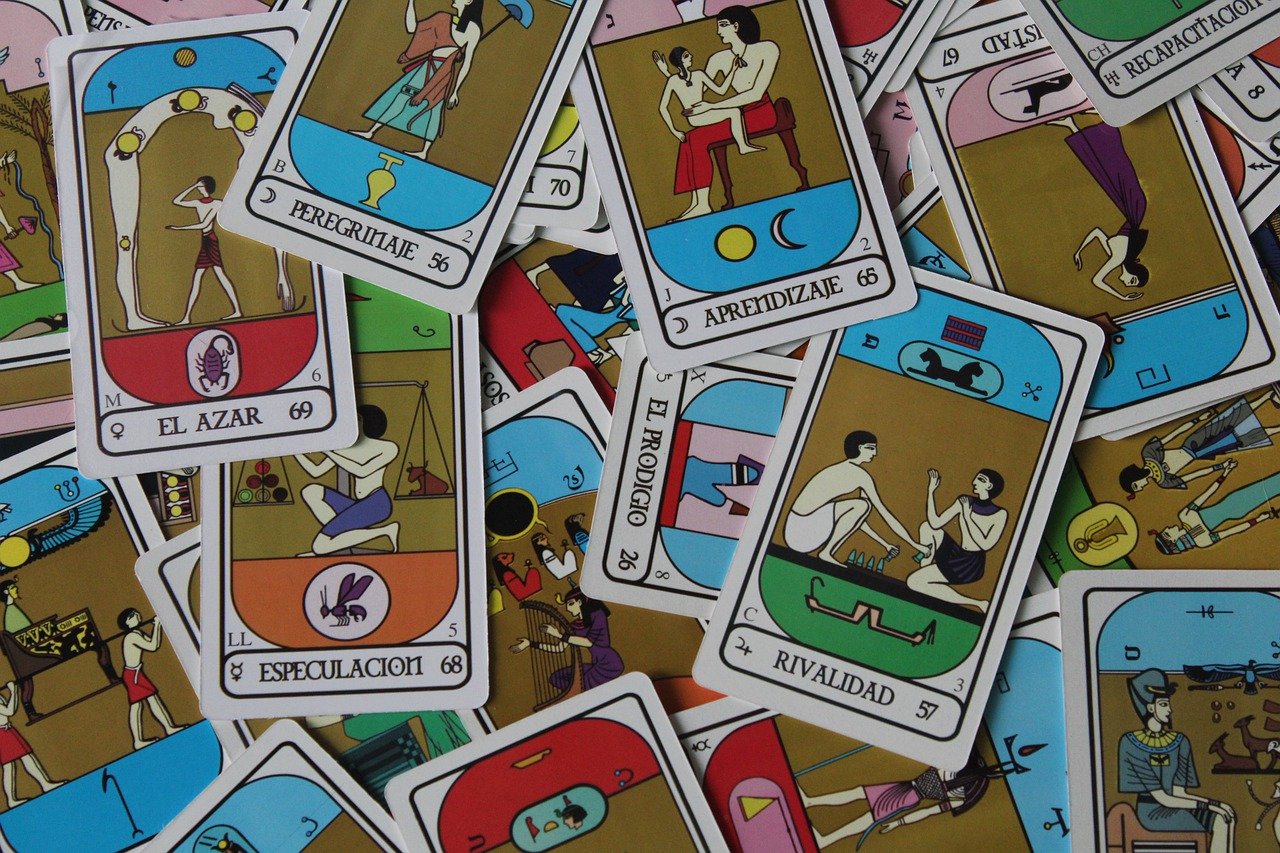
Verb. This is a word I come across several times during my lessons. It has two main meanings: 1. To shuffle, as a baraja (from the Arabic baraca: luck, bless) is a deck of cards; and 2. To consider the various possibilities or alternatives before making a decision. This last meaning is often used in business context. E.g.: Creo que la Comisión también podrÃa barajar esta idea: I think this idea could also be considered by the Commission. dc
La palabra del dÃa: Gestionar
Verb. Gestionar is to take care of the administration, organization and operation of a company, economic activity or body. The noun is la gestión and the person is el gestor. E.g.: Esto, junto con la necesidad de normas para la gestión de riesgo, exige cambios en la situación actual: This, together with the need for risk management standards, demands changes to the current status quo; gestor de cuenta: account manager. dc
La palabra del dÃa: La mano de Dios
Feminine noun. “La mano de Dios” was a phrase used by the late Argentine footballer Diego Maradona to describe a goal that he scored in Argentina v England during the 1986 FIFA World Cup. The goal took place on June 22, 1986, at the Azteca Stadium in Mexico City. Under association football rules, Maradona should have received a yellow card for a clear “handball” incident and the goal disallowed. However, as the referees did not have a clear view of the play and video assistant referee technology did not yet exist, the goal stood and Argentina led 1–0. The game ended with a 2–1 win for the Argentines, thanks to a second goal scored by Maradona, known as the “Goal of the Century”. After the match, Diego Maradona stated that the goal was scored “a little with his head, and a little with the hand of God”. wkp
Please notice that el Diego in Argentina was also known as Dios and he used to speak about himself on the third person.

La palabra del dÃa: Contraprestación
Feminine noun. Contraprestación is the service owed by a contracting party by reason of the one it has received or must receive from the other one. E.g.: El procedimiento de liquidación variará en función de la naturaleza de la contraprestación ofrecida: The settlement procedure varies depending upon the nature of the consideration offered.
The verb is contraprestar. dc
La palabra del dÃa: Pasivo
Masculine noun. Pasivo is the total monetary value of the debts and liabilities of a company, institution or individual, and that are reflected in its accounting: Para los riesgos previsibles el Grupo constituye reservas en el pasivo del balance: Foreseeable risks are provisioned on the liabilities side of the balance sheet.
By the way, as an adjective, pasivo means passive. dc