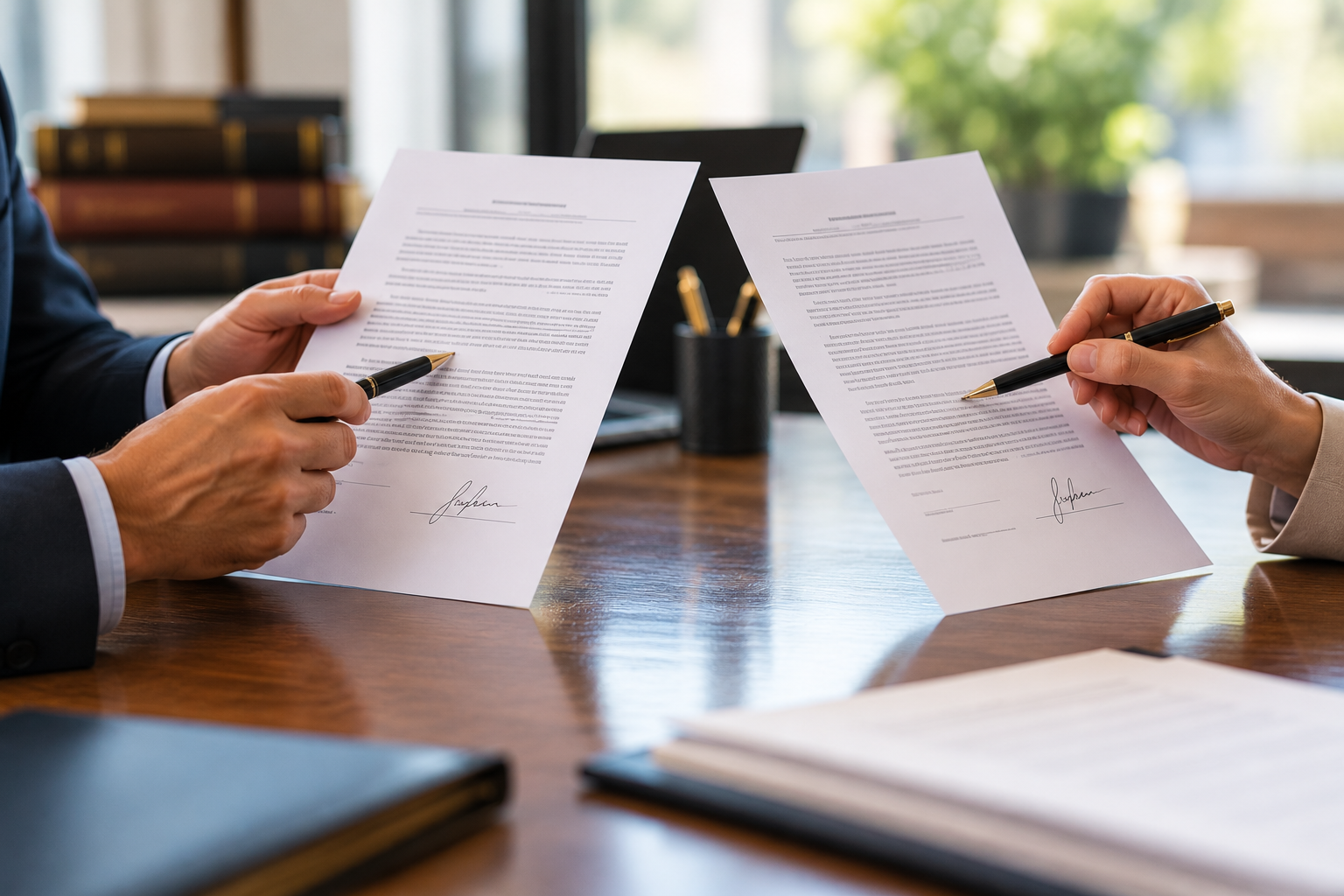
According to the Real Academia Española (RAE), cotejar means «confrontar algo con otra u otras cosas; compararlas teniéndolas a la vista», that is, to compare things by examining them side by side. The verb is traditionally associated with cota, a word ultimately related to the Latin quotus (“how many” or “which in order”), although its etymological development is not entirely straightforward. In Legal Spanish, cotejar has a particularly important meaning: to compare a document, signature, copy or other piece of evidence with an original or reference in order to verify its accuracy, correspondence or authenticity. For example, El funcionario cotejó la copia del contrato con el documento original → The official checked the copy of the contract against the original document. Another common expression is cotejar firmas, particularly in forensic document examination: El perito cotejó las firmas del contrato con otras firmas indubitadas → The expert compared the signatures on the contract with other signatures known to be genuine. The related noun is cotejo, meaning comparison or verification: El tribunal ordenó el cotejo de los documentos aportados por las partes → The court ordered a comparison of the documents submitted by the parties. We also encounter cotejo de letras, a procedural expression referring to the comparison of handwriting to assess the authenticity of a disputed document. It is important, however, to distinguish cotejar from compulsar and autenticar. While cotejar describes the act of comparing two documents or other items, compulsar may refer to the formal verification of a copy against its original by an authorised person, and autenticar means to establish or certify authenticity. Thus, a document may have been cotejado without necessarily having been formally authenticated. English speakers should also remember that cotejar is not always simply “to compare”: in legal and administrative contexts, it often conveys the more specific idea of checking one item against another to establish whether they correspond. This is why cotejar documentos, cotejar firmas and cotejar copias are such useful expressions in legal practice. dc


Online Legal and Business Spanish Lessons and Courses for Professionals